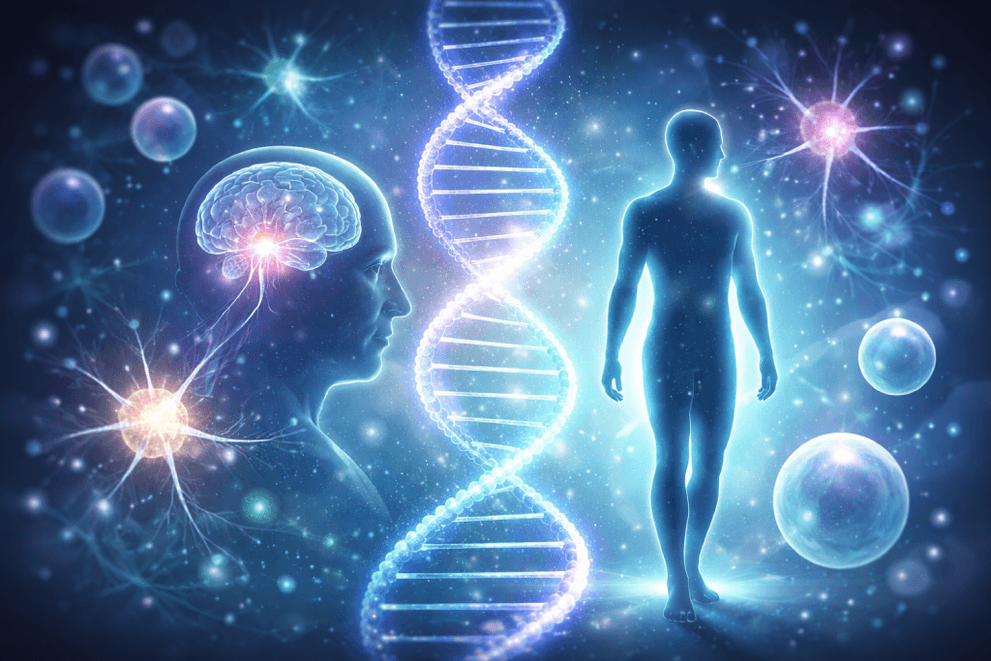
We’ve always known that age is just a number — but it turns out your body takes that idea pretty literally. While your driver’s license says one thing, your heart, kidneys, liver, and immune system may each be living in a completely different decade.
That’s right, groundbreaking new research reveals that your organs may each have their own “biological age,” and some could be aging much faster than others.
Even more startling? Scientists can now detect these hidden age differences long before symptoms appear, potentially predicting heart disease, dementia, diabetes, cancer development, chronic kidney disease, and more years in advance. The question is: what are your organs saying about your future?
Key Takeaways
Your organs age at different rates. Your heart, kidneys, liver, brain, and immune system may each have a unique biological age.
Accelerated organ aging predicts disease. Faster aging in specific organs was linked to a higher risk of 30 chronic diseases, years before symptoms.
Inflammation and immune health matter deeply. Immune system aging was a stronger predictor of dementia than brain aging itself.
What is Biological Aging?
Biological aging is the gradual decline in the body’s ability to maintain optimal function, driven by the accumulation of cellular damage over time. Unlike chronological age, which simply counts the years since your birth, biological age reflects how well your body’s systems are actually performing.
This means that two people with the same chronological age can have very different risks for age-related diseases, depending on how much cellular damage they’ve accumulated. Factors such as genetics, lifestyle choices, and environmental exposures all play a role in determining the pace of biological aging.
Understanding this distinction is crucial for promoting healthy aging and developing strategies to prevent or delay age-related conditions, helping people stay healthier and more vibrant as they grow older.
Measuring Biological Age
Your biological age can be measured using various biomarkers that reveal your body's true state of health. Research suggests that DNA methylation, chemical changes to your DNA that occur as you age, is one of the most reliable indicators, forming the basis of what’s known as the “epigenetic clock.”
Other important measures include telomere length, blood pressure, and various clinical markers that reflect organ function. By combining these different biomarkers, scientists can get a more accurate measure of a person’s biological age than by looking at any single factor alone.
This comprehensive approach helps identify individuals who may be aging faster or slower than their calendar age would suggest, opening the door to more personalized health care and prevention strategies.
Your Body's Clocks Are All Ticking at Different Speeds
A fascinating study from University College London followed over 6,000 people for 20 years and found something that should change the way we think about our health: the biological age of your organs can predict your risk of serious disease, sometimes decades before any symptoms appear.
So how do these clocks work?
Researchers analyzed blood samples using an advanced technique called proteomics, which can detect thousands of protein markers from a single draw.
These markers act like biological timestamps, revealing how “old” each organ actually is on the inside, regardless of your birth year. In this study, they tracked nine body parts: the heart, blood vessels, liver, immune system, pancreas, kidneys, lungs, intestines, and brain. Molecular damage accumulates in body parts over time, contributing to their aging at different rates.
What they found was eye-opening. People whose organs showed accelerated aging were significantly more likely to develop 30 different chronic diseases down the road. A biologically older heart raised the risk of heart disease. Aging lungs were tied to COPD and respiratory infections. A liver aging faster than expected made people more vulnerable to liver failure.
The Organs That Predict Cognitive Decline and More Disease Than Any Other
But here’s where it gets really interesting and very consistent with a holistic view of health. Most diseases weren’t linked to just one aging organ. They were connected to several. The kidneys, in particular, seemed to act almost like a canary in the coal mine, with kidney aging showing up alongside vascular disease, diabetes, and liver problems.
And in a surprising twist, an older immune system — not an older brain — was the bigger predictor of dementia risk. This lines up with what natural health practitioners have long believed: that chronic inflammation and immune dysfunction are at the root of so many of the conditions we associate with aging.
Lead researcher Professor Mika Kivimaki put it simply: “Our organs function as an integrated system, but they can age at different rates. Aging in particular organs can contribute to numerous aging-related diseases, so it’s important for us to take care of all aspects of our health.”
Another member of the research team, Tony Wyss-Coray from Stanford University, agrees, saying, “Organs function in close coordination, so accelerated aging in one organ can impair the function of others, which may explain why people with a rapidly aging organ were particularly prone to experiencing multiple age-related diseases across different organs.”
These findings, the researchers believe, support a shift in healthcare that will be more personalized and focused on disease prevention. That’s the whole-body perspective we've always embraced at Green Valley Naturals, the idea that you can’t truly support one part of your health without considering all the others.
Professor Kivimaki added: “We hope our findings could contribute to new ways of helping people stay healthy for longer as they age. Blood tests may advise whether a person needs to take better care of a particular organ and potentially provide an early-warning signal that they may be at risk of a particular disease.”
The Potential for Reverse Aging
The takeaway here isn’t to wait for a high-tech blood test to tell you what to do. It’s a reminder that the daily choices you make are quietly influencing how fast or slow each of your organs is aging. ,
Lifestyle Strategies to Slow Biological Aging
Research suggests that how you eat, sleep, move, manage stress, and care for your gut and immune health is key to slowing biological aging. What does that look like? Exercising regularly, eating a balanced diet rich in anti-inflammatory foods, and engaging in stress-relieving activities such as yoga or meditation, staying mentally active, nurturing strong social connections, and getting enough restorative sleep-- these are among the most powerful ways to promote healthy aging and reduce the risk of chronic diseases.
Avoiding smoking and limiting alcohol intake are also key steps for protecting overall health and increasing life expectancy.
By making these lifestyle changes, individuals can take control of their aging process, enjoy better health, and potentially add more vibrant years to their lives.
New Therapies
Exciting new therapies, including those targeting senescent cells (the so-called “zombie cells” that contribute to tissue damage), also have the potential to halt or reverse age-related decline.
Artificial intelligence is playing a growing role, helping to identify patterns and interventions that could support longer, healthier lives. Artificial intelligence and machine learning can now analyze massive datasets from sources such as wearable devices, genetic testing, and electronic health records. These tools can provide a detailed picture of an individual’s biological age and highlight potential age-related health risks before symptoms appear.
By leveraging AI, researchers and clinicians can develop more personalized strategies to prevent age related diseases and promote better health outcomes. As technology continues to advance, it promises to make healthy aging more achievable for everyone, offering new ways to monitor, predict, and intervene in the aging process.
Summary
A 20-year study from University College London tracking over 6,000 participants has revealed that biological aging occurs at different rates across individual organs — and these differences can predict the risk of chronic disease decades before symptoms appear. Using advanced proteomics to analyze thousands of protein markers in blood samples, researchers measured the biological age of nine major organs, including the heart, brain, kidneys, liver, and immune system. Importantly, most diseases were associated with aging in multiple organs, highlighting the body’s deeply interconnected systems. The findings support a shift toward personalized, prevention-focused healthcare and reinforce the holistic view that daily lifestyle choices influence how quickly or slowly each organ ages.
Frequently Asked Questions
What is biological age?
Biological age measures how well your body — or specific organs — are functioning compared to your chronological age. Evidence suggests that biological age is increasingly being assessed through various biomarkers, including DNA methylation and telomere length, which are especially important for understanding health outcomes in later life.
How did researchers measure organ aging?
They used proteomics, an advanced blood analysis technique that detects thousands of protein markers linked to organ health. Additionally, King's College London has identified genetic signatures involving about 150 genes that can help assess biological age.
Which organs were studied?
The heart, blood vessels, liver, immune system, pancreas, kidneys, lungs, intestines, and brain.
What was the biggest surprise finding?
Immune system aging predicted dementia risk more strongly than brain aging, highlighting inflammation’s role in cognitive decline.
Can lifestyle choices influence biological aging?
Yes. Evidence suggests that exercising regularly—including endurance training, resistance training, and high-intensity interval training (HIIT)—can slow aging, maintain muscle mass, and boost mitochondrial regeneration. A sedentary lifestyle is associated with accelerated biological aging, increased risk of insulin resistance, and age-related diseases. Eating foods rich in omega-3 fatty acids and following Mediterranean-style diets, which have anti-inflammatory properties, can reduce inflammation, improve biological age, and lower all-cause mortality. Diet, exercise, sleep, stress management, and gut and immune health all influence how quickly organs age. Actual age may differ from biological age, and maintaining a healthy lifestyle can help align biological age with or below actual age, helping you stay young into old age and later life.
Do people age at the same rate?
No, people do not all age at the same rate. Interventions such as regular exercise, healthy diet, and emerging therapies can help slow aging and reduce the risk of age-related diseases, supporting better health and functionality in old age and later life.
UCL News: Biological organ ages predict disease risk decades in advance 26 February 2025
Kivimäki M, et al. Proteomic organ-specific ageing signatures and 20-year risk of age-related diseases: the Whitehall II observational cohort study Lancet Digit Health. 2025 Mar;7(3):e195-e204

Michael Sellar
Michael Sellar is a British writer who has spent over 30 years in the natural health industry. He has worked as a consultant nutritionist, lecturer to natural health professionals, newsletter editor, and writer. He also created and managed a website for twenty years promoting the work of natural therapists in his local community. He lives in rural England.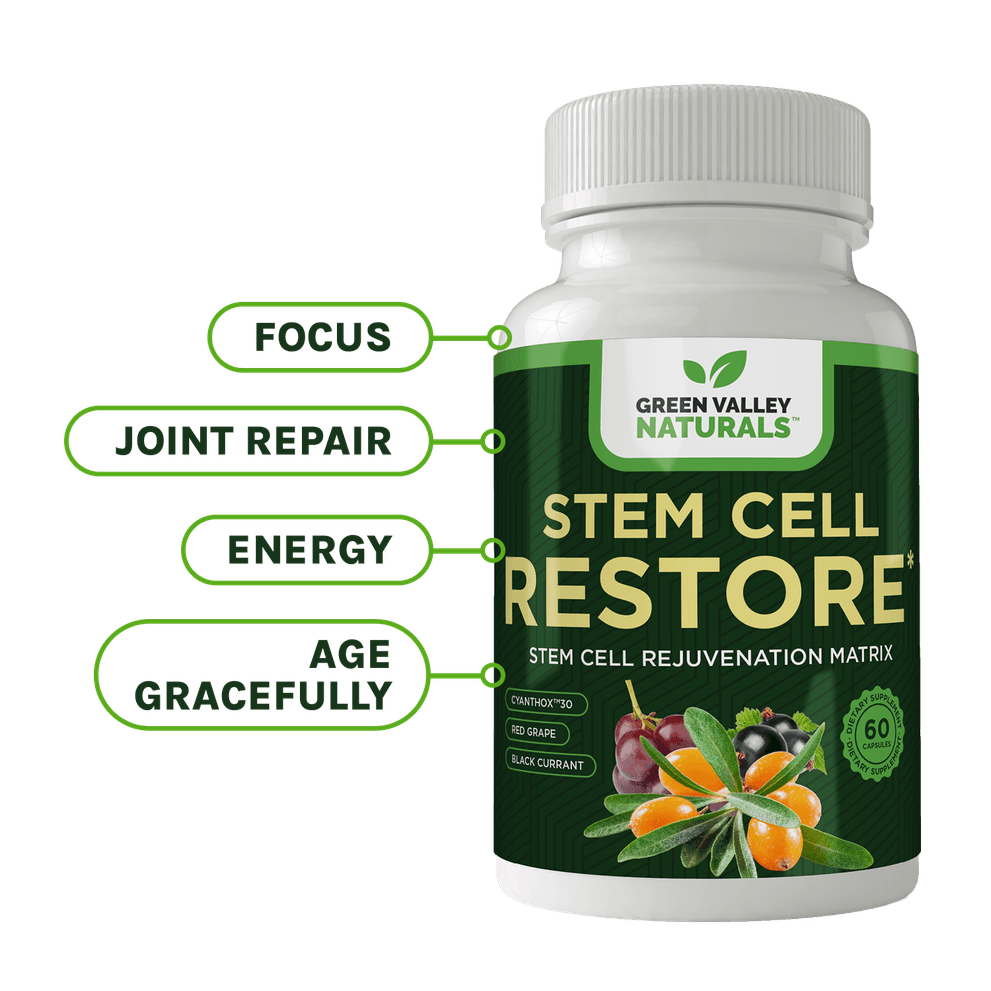
Stem Cell Restore
Increased Energy from Organic Tibetan Sea Buckthorn Trans-Resveratrol, Vitamin D