Every winter, something predictable happens—despite our best intentions, our defenses seem to dip just when we need them most. Fortunately, there are a number of nutritional remedies to help fend off winter colds and viruses. In fact, there’s one natural immune-supporting ingredient that keeps showing up in both old family traditions and modern research labs, linking generations of natural health wisdom with hard science.
Key Takeaways
Elderberry supports immune communication, helping your body respond more effectively to seasonal challenges.
Its powerful antioxidants combat oxidative stress, which increases during winter months.
Consistent, proactive use matters more than “last-minute” supplementation.
The Winter Habit For Easier Breathing
As the colder months approach, so do sniffles, sore throats, and seasonal bugs that can make staying healthy feel like a challenge.
The latest research in natural health reveals that one of the most studied and trusted botanicals for immune health is elderberry.
Elderberry is available in many forms, including supplements, syrups, and food products such as jams and juices. It’s not a magic bullet, but it’s become a staple in many winter wellness routines, and I’ve seen how it helps people stay resilient when everyone around them is getting sick.
What Is Elderberry, Really?
Elderberry refers to the dark purple berries that grow on the Sambucus nigra shrub, also known as black elder, a plant with a long history in traditional herbal medicine. Native to Europe but now cultivated worldwide, black elder is distinct from American elderberry (Sambucus canadensis).
The part most commonly used in supplements is the ripe berry, often processed into syrups, extracts, gummies, or capsules. Science shows that elderflower (the plant’s flowers), also known as elder flower, is used in traditional medicine and skincare, such as elder flower water for soothing skin and herbal teas for better breathing and inflammation relief.
And here’s something important: raw elderberries shouldn’t be eaten. They contain compounds that can cause digestive upset. Proper processing through cooking or extraction neutralizes these compounds while preserving the beneficial ones.
In fact, elderberry has been used for centuries to support wellness and help the body cope with seasonal stressors. The interesting thing about elderberry is how it bridges ancient wisdom and modern science. In folk medicine tradition, many grandmothers used to make elderberry syrup every fall, simmering the berries with honey and spices, and giving their families a spoonful whenever they felt run down. The tradition is more than an old wives’ tale. What our ancestors knew intuitively, science is now confirming.
The use of elderberry in both traditional and modern medicine is well documented, especially for cold and flu symptoms.
Elderberries are rich in antioxidants, dietary fiber, and vitamin C.
Types of Elderberry Products
Elderberry products have become a staple in many households, especially during cold and flu season, thanks to their reputation for supporting the immune system and easing flu symptoms. You’ll find elderberry in a variety of forms—elderberry extract, elderberry syrup, elderberry gummies, and other dietary supplements—making it easy to choose an option that fits your lifestyle and preferences.
The most commonly used species for these products are the European elder (Sambucus nigra) and the American elder (Sambucus canadensis). Both types of elderberry fruit are packed with vitamin C, phenolic acids, anthocyanins, and other antioxidants, all of which contribute to their health benefits. These powerful compounds are known for their anti-inflammatory properties and their ability to help reduce inflammation, support immune function, and potentially ease symptoms of upper respiratory infections.
Elderberry syrup is a classic choice, often used to soothe cold and flu symptoms and support overall wellness. For those who prefer a more convenient or kid-friendly option, elderberry gummies are a popular pick, delivering immune support in a tasty, chewable form. Elderberry extract is commonly found in capsules, tablets, and even lozenges, making it easy to incorporate into your daily routine. You’ll also see elderberry tea and other elderberry products that combine the fruit with other nutrients like flavonoids, black rice extract, or vitamin C for enhanced benefits.
It’s important to note that raw elderberries should never be consumed, as they contain toxic compounds that can cause illness. Always choose products that have been properly processed to ensure safety and effectiveness.
When selecting elderberry supplements, look for reputable supplement companies that follow good manufacturing practices (GMPs) and provide clear labeling. The FDA does regulate dietary supplements, but quality can vary, so it’s wise to check for third-party testing and to consult your primary care provider or healthcare provider before starting any new supplement—especially if you’re pregnant, breastfeeding, taking medications, or managing a health condition.
While the health benefits of elderberry are supported by promising evidence, more research is needed to fully confirm its effectiveness for treating the common cold, flu, and other respiratory infections. Elderberry may be a valuable addition to your wellness toolkit, but it works best as part of a comprehensive approach to health, alongside good nutrition, rest, and medical care when needed.
How Elderberry Works in Your Body
When I first started researching elderberry, I was struck by how well scientists understand its mechanisms. This isn’t vague “it might help”—there’s real biochemistry at work here.
Elderberry packs an antioxidant punch thanks to its rich anthocyanin content, which are plant compounds responsible for its deep purple color. These same compounds give blueberries and red wine their color, but elderberries have them in particularly high concentrations. In addition to anthocyanins, elderberry is also high in polyphenols and phenolic compounds, which play a significant role in its antioxidant activity and contribute to its potential health benefits. These antioxidants help counter oxidative stress and support the immune system’s normal function.
Here’s what happens when elderberry compounds enter your system:
Immune Response Support: Elderberry increases cytokine production—messenger proteins that help coordinate your body’s defense system. Think of cytokines as the communication network your immune cells use to organize their response to threats. When this network functions smoothly, your body can respond more effectively to seasonal challenges.
Antioxidant Activity: The anthocyanins and flavonoids found in elderberry scavenge free radicals, reducing stress at the cellular level. Every day, your cells face oxidative damage from normal metabolism, environmental factors, and stress. Antioxidants help neutralize this damage before it accumulates. It’s like having a cleanup crew working continuously to keep your cellular environment healthy.
Interferes with Viral Activity: Some lab studies suggest elderberry compounds can block key receptors that viruses use to enter cells. The hemagglutinin proteins on the surface of certain viruses act like keys that unlock your cells. Elderberry compounds may jam those locks, making it harder for viruses to establish infection. This is preliminary research, but it’s fascinating stuff. To better understand elderberry’s phytochemicals, researchers often use a combination of analytical techniques such as LC-MS, GC-MS, and LC-NMR, which help identify and characterize the complex mixture of bioactive compounds present in elderberry.
In short, elderberry doesn’t “cure” infections, but it does support your body’s natural resilience during seasonal challenges. I like to think of it as giving your immune system better tools to do the job it’s already designed to do.
It’s important to note that many studies on elderberry supplement efficacy have had mixed results, often due to small sample sizes and variations in elderberry type and preparation. According to the U.S. National Center for Complementary and Integrative Health, there isn’t enough evidence to draw firm conclusions about elderberry’s health benefits. Additionally, many clinical trials are funded by supplement manufacturers, which may introduce bias. More studies and high-quality, standardized clinical trials are needed to confirm the true effects and benefits of elderberry supplements.
Winter and Immune Health: Why Elderberry Matters Now
People are more likely to get sick from November through April. Why does this happen, even in warmer climates like California or Florida?
Winter brings a perfect storm for immune stress, no matter where you live:
Less sunlight means lower vitamin D levels. Even in sunny regions, we spend more time indoors during the winter months. Vitamin D isn’t just about bone health—it plays a crucial role in immune function. When your levels drop, your immune defenses may become less robust.
More time indoors means higher exposure to seasonal bugs. Whether it’s sports gatherings, shopping in crowded stores, or spending more time in enclosed spaces with recirculated air, winter increases our exposure to respiratory viruses. The viruses don’t necessarily get stronger, we just give them more opportunities to spread.
Dry, cold air can stress respiratory mucous membranes. Your nose and throat have a protective mucus layer that traps pathogens before they can cause infection. Dry winter air, both outdoors and from heated indoor spaces, can compromise this first line of defense, making it easier for viruses to take hold.
These factors make it more important than ever to support your immune system during the dark, cold months. This is where elderberry comes in. Regular consumption of elderberry during winter months may help support immune health, providing targeted seasonal immune support and helping you stay ready for whatever winter throws your way.
What the Science Actually Says
Elderberry isn’t just a tradition, it’s backed by research. As someone who’s spent decades evaluating supplement ingredients, I’m impressed by the quality of elderberry studies. Not every natural remedy has this level of scientific validation.
It’s important to note that elderberry supplements are not regulated by the FDA, which can lead to inconsistencies in product quality and efficacy. Elderberry supplements are derived from Sambucus nigra berries and are widely used to support immune health by potentially reducing the duration and severity of cold and flu symptoms. They are available in various forms, including syrups, gummies, capsules, lozenges, and juices. Elderberry products can be marketed as single supplements or in combination with other nutrients such as vitamin C, zinc, vitamin A, or vitamin E. These supplements often contain other ingredients such as preservatives, binders, and stabilizers, which can affect their overall quality. Studies have found that many elderberry products on the market do not contain actual elderberry but are mixed with other ingredients, and elderberry extracts are often adulterated with other substances. For this reason, it is essential to select elderberry supplements that have been certified by third-party organizations like USP or NSF to ensure product integrity, and to look for third-party testing seals on supplement labels to verify purity and potency.
Clinical Evidence That Matters
A few notable studies suggest elderberry may shorten the duration and lessen the severity of common respiratory symptoms. The compounds in elderberries can help reduce inflammation, which is essential for managing symptoms of viral infections. Some studies show that elderberry can influence cytokine production, potentially helping the immune system respond to viruses more effectively. However, the effectiveness of elderberry supplements is not universally accepted among healthcare providers, with some expressing skepticism about their benefits. Research on the benefits of elderberry supplements is limited and the general immune-boosting effects are inconclusive. It’s also worth noting that while some studies are promising, there are cautions and limitations, especially regarding safety and specific health effects.
Symptom Improvement: In a double-blind, placebo-controlled trial of adults with upper respiratory symptoms, elderberry extract was associated with symptom improvement up to four days earlier than placebo. Think about that for a moment—four days. When you’re dealing with a bad cold or flu, getting better four days sooner is significant. It’s the difference between missing a week of work versus just a couple of days. Participants also reported less intense symptoms overall, meaning they felt better during the illness itself, not just at the end.
Research has found that elderberry extract inhibits replication of certain influenza viruses in laboratory settings. Scientists have observed that the plant’s compounds may interfere with viral activity at multiple stages, preventing viruses from entering cells, inhibiting their replication once inside, and even affecting how they’re released to infect new cells. This multi-targeted approach is one reason elderberry shows such promise.
A study on air travelers, people at particularly high risk for respiratory infections, found that those taking elderberry extract had shorter and less severe cold episodes compared to the placebo group. The travelers who did get sick while taking elderberry recovered faster and experienced milder symptoms.
When considering how much elderberry to take, it’s important to know there is no official recommended daily allowance for elderberry; usage varies by age and purpose. The most common dosage used in research is 2 to 4 tablespoons daily, given once or in 4 divided doses depending on age. In some clinical trials, adults took 3 teaspoons (1 tablespoon) of elderberry extract in syrup form four times daily for five days. Always follow the dosage directions on the product label, as dosing advice often comes from supplement companies and is not regulated. Because elderberry products are not regulated by the FDA, consumers should be cautious and consult healthcare providers before use, especially since elderberry can interact with other drugs, particularly immunosuppressants. Third-party testing and certification are important to ensure safety and proper labeling. Commercially available elderberry supplements and juices are generally considered safe when used appropriately, but proper processing and third-party testing are crucial to ensure safety.
How to Use Elderberry Safely and Effectively
Here are some practical tips for the best results:
Take elderberry consistently throughout winter or during high-risk periods. Elderberry works best when you use it proactively, not just when you feel symptoms starting. For example, some people begin taking it in October and continue through April. Others use it only when they know they’ll be exposed to crowds, such as during travel, and that can work too.
Keep elderberry supplements out of reach of children, and follow age-related dosage guidelines. Elderberry is considered safe when used as directed, but side effects such as nausea, vomiting, diarrhea, stomach cramps, and allergic reactions can occur, though they are rare. Raw or unripe elderberries are toxic and should not be consumed, as they can cause nausea, vomiting, and diarrhea. Elderberry should only be consumed in cooked or processed forms to avoid toxicity.
Pair it with other immune-supportive nutrients like vitamin C and zinc. Your immune system doesn’t rely on a single nutrient. It needs a team. Vitamin C supports various cellular functions of both the innate and adaptive immune system. Zinc is crucial for immune cell development and communication. When you combine elderberry with these nutrients, you’re giving your body comprehensive support.
Pregnant or breastfeeding women should avoid elderberry supplements and consult a healthcare provider before use, as safety information is limited. Additionally, elderberry may reduce the effectiveness of immune suppressants, so individuals on these medications should consult their healthcare provider before taking elderberry.
Consider the form that works for your lifestyle. Syrups taste great and can be added to tea or taken by the spoonful. Capsules are convenient if you’re traveling or don’t like the taste. Gummies are popular with kids (and adults who like them). They all work, pick what you’ll actually use consistently.
Consult a healthcare provider if you are pregnant, nursing, or on medication. Elderberry is generally well-tolerated, but it’s always smart to check with your doctor before adding any new supplement.
Don’t wait until you’re sick. This is the mistake I see most often. People buy elderberry, put it in the cabinet, and forget about it until they’re already feeling terrible. By then, you’ve missed the window for preventive support. The best time to start elderberry is before you need it.
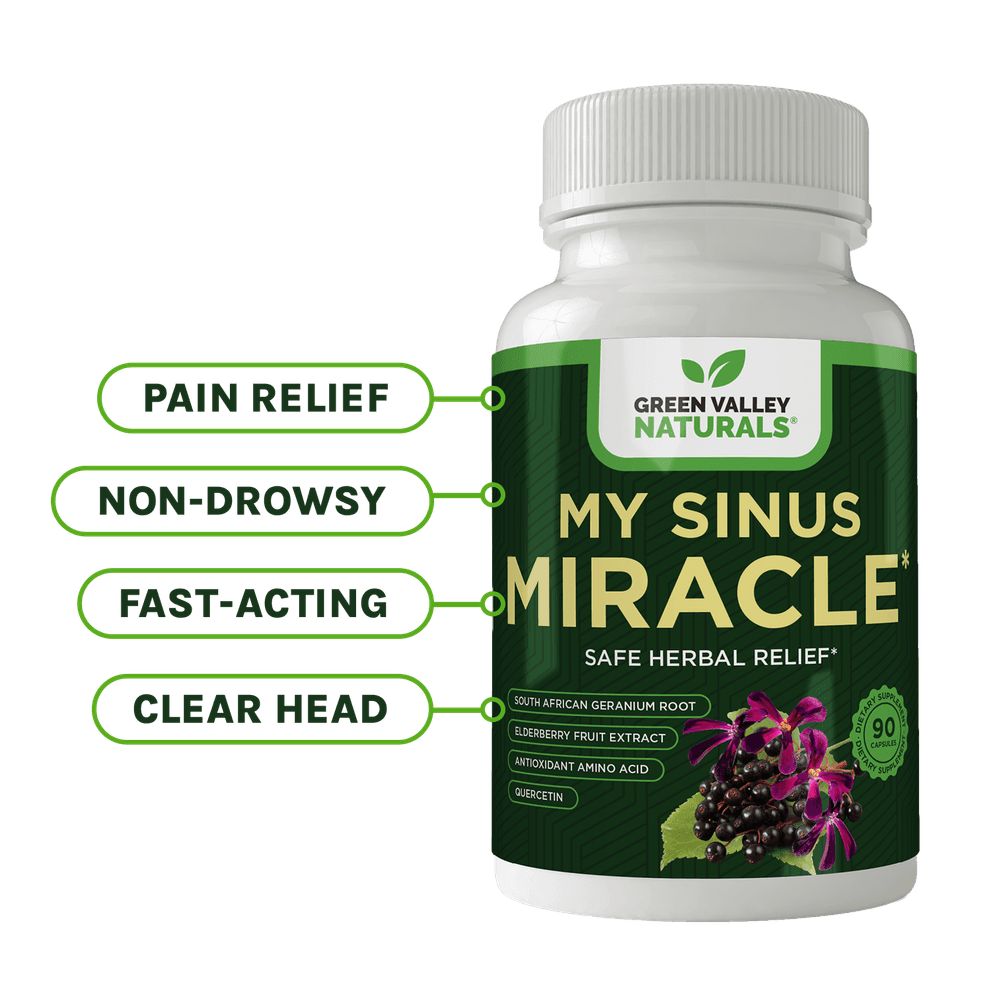
Over the years, I’ve learned that the quality of elderberry products varies widely. Whether you choose elderberry syrup, capsules, or gummies, look for products made with standardized extracts to ensure potency and purity. Any formula should be carefully crafted for quality with clear labeling and trusted ingredients. Look for evidence of testing for heavy metals, pesticides, and microbial contamination, things you should expect from any reputable supplement company, and what we do here at Green Valley Naturals. In fact, we formulated My Sinus Miracle with Elderberry to help nasal symptoms during any season.
As we navigate the colder, winter months, think about what you can do to support your body’s natural defenses. Get enough sleep. Manage your stress. Eat well-- especially chicken soup. Stay active. And consider adding elderberry to your routine. It’s one of those simple, natural tools that can make a real difference in how you feel all season long.
Summary
Elderberry is a time-tested botanical that supports immune resilience during winter’s most challenging months. Backed by both traditional use and modern research, elderberry’s antioxidant compounds help the immune system respond more efficiently to seasonal stressors. When used consistently and properly, it can be a powerful addition to a proactive winter wellness routine.
Frequently Asked Questions
What is elderberry used for?
Elderberry is commonly used to support immune function and seasonal wellness, especially during fall and winter.
How does elderberry support the immune system?
It contains anthocyanins and flavonoids that support antioxidant defenses and immune signaling pathways.
Should elderberry be taken daily or only when sick?
Elderberry works best when taken proactively and consistently, rather than waiting until symptoms begin.
Is elderberry safe for most people?
Properly processed elderberry supplements are generally well-tolerated. Always consult a healthcare provider if pregnant, nursing, or on medication.
Can elderberry replace medication?
No. Elderberry supports immune health but does not replace medical treatment when needed.

Susan Clark
Susan Clark is an award-winning, Emmy-nominated journalist and author who has written about nutrition, health, and wellness for 27 years. She has developed content for articles, reports, books, videos, and television news segments featuring some of today’s top alternative and integrative doctors. She earned a bachelor of science in broadcast journalism from Texas Christian University. She lives in Los Angeles with her husband, two sons, and numerous pets.