Does Milk Make Your Bones Stronger?
The Truth, Plus The Top 5 Natural Ways to Build Up Your Bones
For decades, we’ve been told that strong bones start with a glass of milk—but what if that advice is only part of the story?
New research suggests that bone strength depends on far more than calcium alone, and in some cases, relying on milk may even backfire. Let's take a look at the real secrets to lifelong bone health and how they work together to keep your skeleton resilient well into old age.
Key Takeaways
Surprising foods and supplements matter: Prunes and HMB actively strengthen bones from the inside out.
Milk helps, but moderation matters: Too much may increase fracture risk without added benefit.
Bones need more than calcium: Vitamin D, resistance exercise, and muscle support are critical.
Why Strong Bones Require More Than Calcium
When it comes to bone health, most of us have heard the advice since childhood: drink milk to build strong bones. But does milk make your bones stronger, or are there better natural approaches to maintaining bone density and preventing fractures as you age?
The truth is that while dairy can play a role in bone health, a comprehensive approach using proven natural methods offers the best protection against osteoporosis and bone-related injuries.
Bone health becomes increasingly critical as we age. According to research, one in five women over 50 experiences osteoporosis, with 50 percent already showing measurable bone loss. Men aren't immune either, with more than 20 percent facing fractures linked to weakened bones.
The good news? You can take control of your bone health through natural, evidence-based strategies that go far beyond simply drinking milk or popping a calcium chew.
So, Does Milk Make Your Bones Stronger?
The answer is nuanced. Dairy products like milk, cheese, and yogurt are rich in calcium, which is essential for bone density. Milk consumption has been linked to improved bone health, particularly in children and adolescents during critical bone-building years.
However, recent research suggests that excessive milk intake—three or more glasses daily—may actually increase the risk of bone fractures and other health problems. In a particularly eye-opening Swedish study published in The British Medical Journal, researchers followed both women and men for extended periods and discovered something unexpected. Women who reported drinking three or more glasses of milk daily actually experienced higher rates of fractures, including devastating hip fractures, compared to those who drank less. This finding was especially puzzling because milk contains substantial calcium, the very mineral we're told protects our bones.
The problem of inflammation. The researchers behind The BMJ study suggested that components related to milk sugar metabolism, particularly a compound called D-galactose, might promote oxidative stress and chronic low-grade inflammation in the body over time. This inflammatory effect could potentially work against bone health in the long run, especially when milk is consumed in very large amounts, essentially canceling out some of the benefits that calcium would otherwise provide. It's a reminder that our bodies are complex systems where too much of even a good thing can sometimes backfire in unexpected ways.
Other large studies conducted in the United States have found neutral effects or even slightly lower hip fracture risk among people who drink about one glass of milk daily.
This suggests that the relationship between milk and bone health isn't one-size-fits-all. Moderate milk consumption as part of a well-rounded approach to bone health seems reasonable for most people, but drinking milk by the gallon, thinking it's your ticket to unbreakable bones, doesn't hold up under scientific scrutiny.
Which kind of milk to choose?
While some conventional doctors point to low-fat or fat-free dairy products for help in minimizing saturated fat intake, the reality is that most natural doctors will encourage you to choose full-fat or whole dairy products.
That's because extensive observational studies have found:
- No consistent link between full-fat dairy and higher heart disease risk.
- Full-fat yogurt and cheese eaters have a lower risk of type 2 diabetes and better metabolic health.
Why? Dairy fat contains odd-chain fatty acids (C15:0, C17:0) that are linked to lower cardiometabolic risk. In addition, whole dairy products are often more satiating, which may reduce your desire to snack and overeat. Finally, the higher fat content offers better absorption of fat-soluble vitamins (A, D, K2).
But remember, milk is only the beginning.
Top 5 Natural Ways to Build Stronger Bones
Harvard nutrition experts have weighed in, noting that for adults, true bone protection requires a constellation of factors working together. Here are the top five natural strategies to protect, strengthen, and rejuvenate aging bones:
1. Eat Calcium-Rich Foods Beyond Dairy
Calcium is the primary building block of bone tissue, and while dairy is one source, it's far from the only option.
Canned salmon and sardines, with their edible bones, provide excellent calcium along with vitamin D. Leafy greens like kale, collard greens, and broccoli offer calcium that's readily absorbed by the body.
Tofu is another excellent source. By diversifying your calcium sources, you ensure adequate intake while benefiting from the additional nutrients these whole foods provide. Aim for 1,000-1,200 mg of calcium daily through food sources rather than relying solely on milk or supplements.
2. Support Calcium Absorption with Vitamin D and Magnesium
Vitamin D and magnesium play an essential role in calcium absorption and bone mineralization. Without adequate vitamin D and magnesium, your body cannot effectively use the calcium you consume, whether from milk or other sources.
Fatty fish like salmon and mackerel, egg yolks, and fortified foods provide vitamin D and some magnesium, but many people need additional sun exposure or supplementation to reach optimal levels. Spending 10-30 minutes in sunlight several times per week can help your body produce vitamin D naturally. During winter months or for those with limited sun exposure, a vitamin D3 supplement of 1,000-2,000 IU daily is beneficial. For magnesium, the recommended daily allowance is 420 mg.
3. Incorporate Resistance Exercise for Bone Density
Physical activity, particularly resistance training, may be even more important than diet when it comes to bone strength.
When you lift weights or perform resistance exercises, you create stress on your bones that stimulates them to grow stronger and denser. Research analyzing multiple studies found that resistance exercises significantly improve bone strength in older women. The weights don't need to be heavy—even light dumbbells or resistance bands can be effective. Aim for resistance training two to three times per week, focusing on exercises that work major muscle groups. Walking, jogging, and dancing also help by providing weight-bearing activity that signals bones to maintain their density.
4. Add HMB (Beta-Hydroxy-Beta-Methylbutyrate) Supplementation
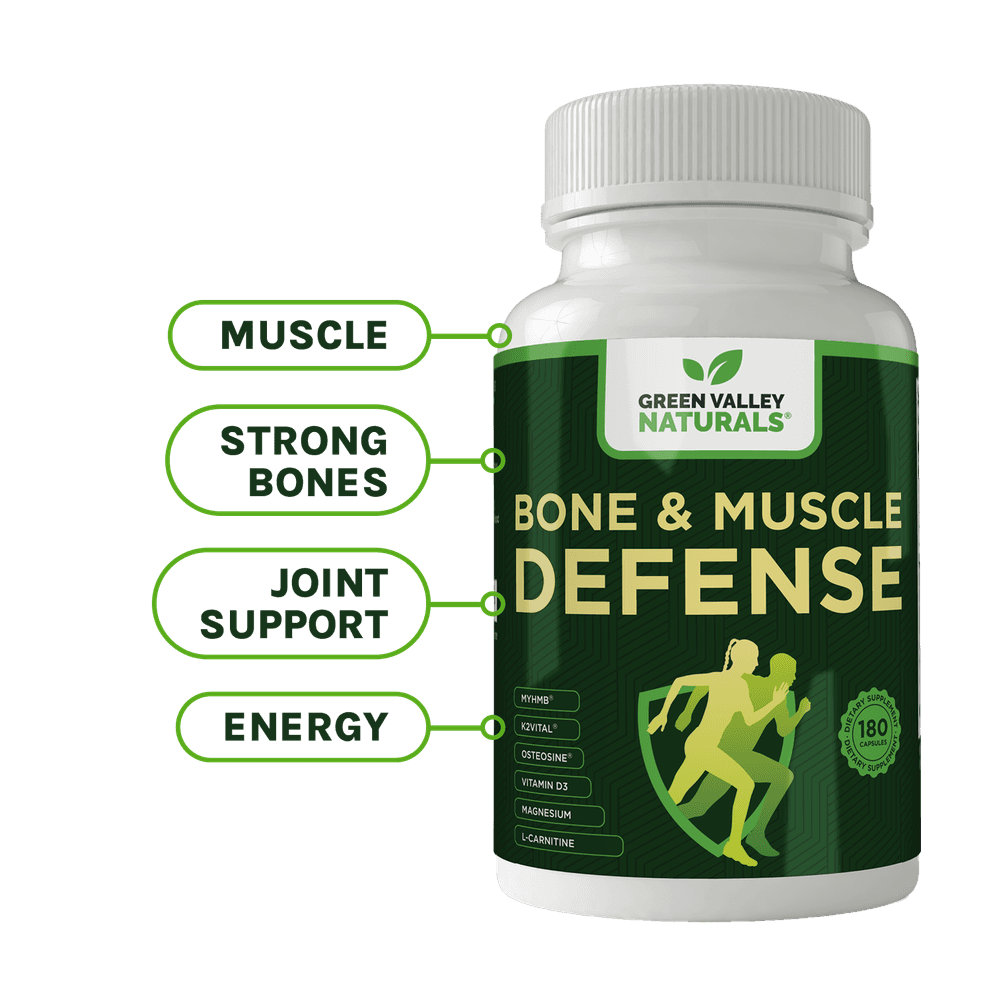
One of the most promising natural compounds for bone health is beta-hydroxy-beta-methylbutyrate, or HMB. This short-chain fatty acid, naturally produced in small amounts when your body breaks down the amino acid leucine, has been shown to support both bone density and muscle strength.
Research conducted in Poland demonstrated that HMB supplementation helps build stronger bones while simultaneously improving protein metabolism for muscle building and increasing insulin sensitivity. This dual action on bone and muscle is particularly valuable, as strong muscles help protect bones from fractures. HMB is typically supplemented at doses of 3 grams per day, divided into two or three servings. It's found naturally in small amounts in foods like avocados, asparagus, and cauliflower, but supplementation provides therapeutic levels.
5. Eat Prunes for Bone-Protective Phenolic Compounds
Surprisingly, one of the most effective foods for bone health is the humble prune. A study at Pennsylvania State University involving middle-aged women found that eating just five to six prunes daily for one year significantly increased bone density. The phenolic compounds in prunes work by reducing inflammation that weakens bones while boosting bone metabolism. Unlike calcium supplements that provide raw materials, prunes actively support the biological processes that maintain bone health. They're also rich in vitamin K, boron, and potassium—all nutrients that contribute to bone strength. Keep prunes handy as a convenient snack, add them to oatmeal or yogurt, or incorporate them into baked goods for a bone-supporting dessert.
Your Lifestyle Matters for Bone Health, Too
Beyond these top five strategies, several lifestyle choices significantly impact bone strength. Limiting caffeine intake is important—while natural compounds in coffee can support bone density, excessive caffeine weakens bones. Stick to one or two cups of regular coffee daily, or switch to decaf to enjoy the benefits without the drawbacks. Avoid caffeinated soft drinks and energy drinks entirely, as they actively deplete bone minerals.
Alcohol consumption should also be limited, as excessive drinking interferes with calcium absorption and bone formation. If you drink alcohol, do so in moderation—no more than one drink daily for women and two for men. Finally, avoid smoking, which significantly increases fracture risk and accelerates bone loss.
The Bottom Line: You Need More Than Milk To Make Your Bones Stronger
While milk does contribute to bone health when it's consumed in moderation as part of a comprehensive bone-building strategy. However, relying solely on milk while neglecting resistance exercise, vitamin D, and other proven natural approaches won't provide optimal protection against osteoporosis and fractures.
The most effective approach combines moderate dairy or fortified plant-based milk consumption with calcium-rich whole foods, adequate vitamin D, regular resistance training, HMB supplementation, and bone-supporting foods like prunes. This multifaceted strategy addresses bone health from every angle—providing raw materials, supporting absorption and metabolism, stimulating bone growth through exercise, and reducing inflammation.
Your bones don't have to deteriorate with age. By implementing these five natural strategies today, you can build and maintain strong bones that will support you throughout your life. Don't wait until a fracture or osteoporosis diagnosis forces you to take action. Your future mobility and independence depend on the bone-health choices you make right now.
Summary
Milk can support bone health—but it’s not a magic bullet. While dairy provides calcium, research shows that optimal bone strength requires a multi-factor approach that includes vitamin D, resistance exercise, targeted supplementation like HMB, and anti-inflammatory foods such as prunes. Excessive milk intake may even raise fracture risk, making moderation key. The most effective strategy combines diverse calcium sources, improved absorption, muscle-building activity, and lifestyle habits that protect bones from silent deterioration.
Frequently Asked Questions
Does milk actually prevent osteoporosis?
Milk provides calcium, but without vitamin D, exercise, and muscle support, it’s not enough to prevent bone loss.
How much milk is safe for bone health?
Most research suggests 1–2 glasses per day is beneficial; more than that may increase fracture risk.
What’s better than milk for bones?
A combination of resistance exercise, vitamin D, calcium-rich whole foods, and anti-inflammatory nutrients.
What is HMB and how does it help bones?
HMB is a natural compound that supports both muscle and bone density, reducing fracture risk.
Can prunes really strengthen bones?
Yes—studies show 5–6 prunes daily can significantly improve bone density in women.
Gever, John. “Could 'T Time' Help Older Women With Hip Fracture? — Randomized trial examines testosterone therapy as add-on to exercise” MedPage Today, May 15, 2025 https://www.medpagetoday.com/orthopedics/orthopedics/115606
Pu X, et al. “Astragalus improve aging bone marrow mesenchymal stem cells (BMSCs) vitality and osteogenesis through VD-FGF23-Klotho axis” Int J Clin Ex Pathol https://pmc.ncbi.nlm.nih.gov/articles/PMC7191145/
Zhang L, et al. “Warming acupuncture-moxibustion combined with Bushen Qianggu Recipe effectively improves bone metabolism in osteoporosis patients” Am J Transi Res 2024 Sep 15;16(9):5106–5113, https://pmc.ncbi.nlm.nih.gov/articles/PMC11470313/
Kim JY, et al. “Effects of Eucommia ulmoides extract on longitudinal bone growth rate in adolescent female rats” Phytother Res 2015 Jan;29(1):148-53 https://pubmed.ncbi.nlm.nih.gov/25087723/
Kaczka P, et al. “Mechanism of Action and the Effect of Beta-Hydroxy-Beta-Methylbutyrate (HMB) Supplementation on Different Types of Physical Performance - A Systematic Review” J Hum Kinet 2019 Aug 21:68:211-222 https://pubmed.ncbi.nlm.nih.gov/31531146/
Shen J, et al. “Osteogenic mechanism of chlorogenic acid and its application in clinical practice” Front Pharmacol 2024 May 30:15:1396354 https://pubmed.ncbi.nlm.nih.gov/38873428/
De Souza MJ et al, “Prunes preserve hip bone mineral density in a 12-month randomized controlled trial in postmenopausal women: the Prune Study” Am J Clin Nutr. 2022 Oct 6;116(4):897-910 https://pubmed.ncbi.nlm.nih.gov/35798020/
Shojaa M, et al. “Effects of dynamic resistance exercise on bone mineral density in postmenopausal women: a systematic review and meta-analysis with special emphasis on exercise parameters” Osteoporos Int 2020 Aug;31(8):1427-1444. https://pubmed.ncbi.nlm.nih.gov/32399891/

Carl Lowe
Carl Lowe has decades of experience writing about health and nutrition for many publications, including Prevention Magazine and Self Magazine (where he served as the food and nutrition editor). He has authored and edited over 10 books about natural health, nutrition, and other subjects. He edited The Columbia University College of Physicians and Surgeons Complete Home Medical Guide and was the nutrition editor for a Time-Life book series on health and nutrition. As a musician, he played viola with the Yale Symphony and bass with the Tommy Dorsey Band, and he has appeared on national TV.